
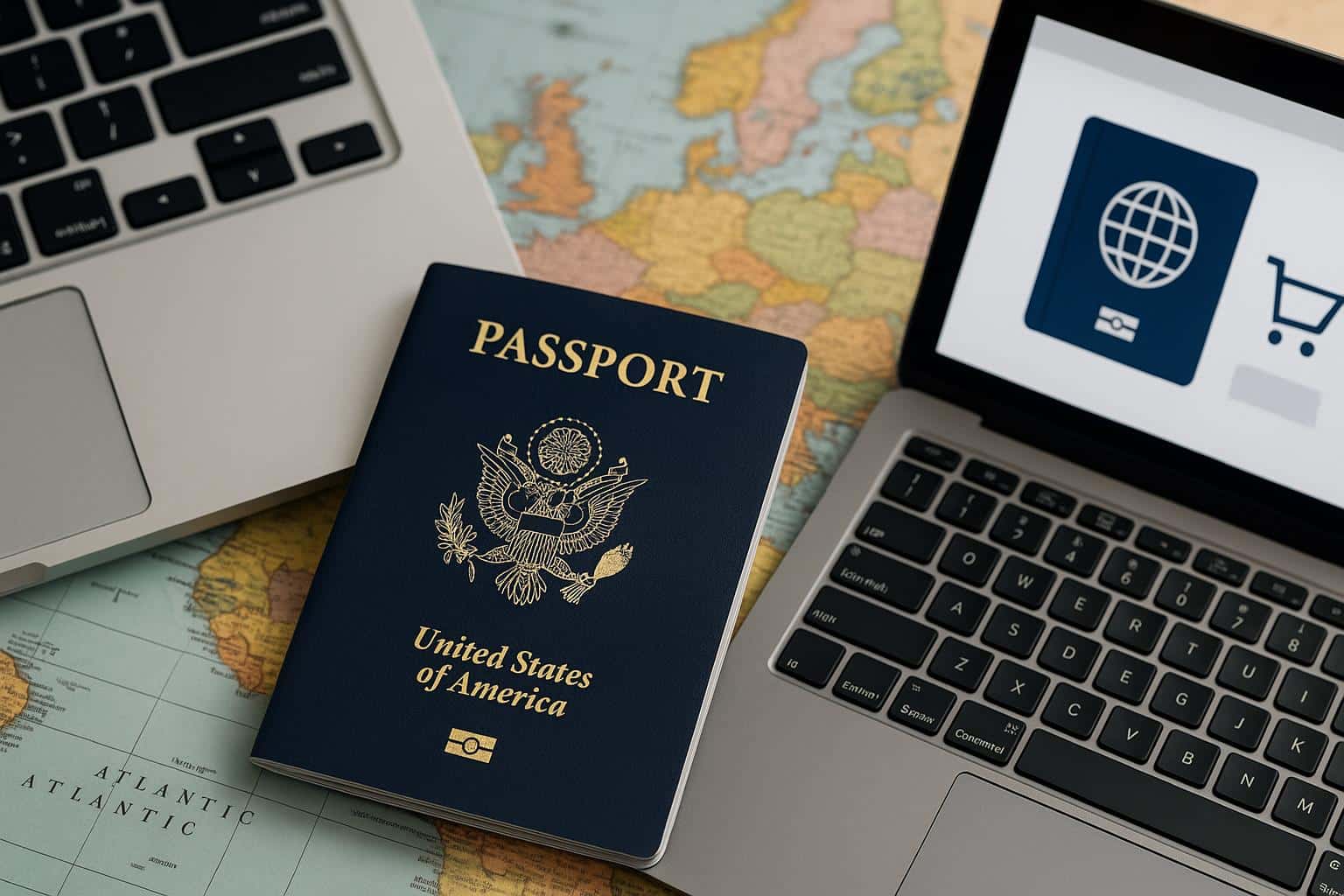
Getting a first U.S. passport currently involves paperwork, an in-person visit and an additional facility fee. That could soon change.
The State Department plans to move first-time passport applications online, potentially making the entire process possible from home. Online renewal is already available, but first-time applicants have traditionally needed to submit forms and documents at an authorized acceptance facility.
What could change for travelers?
• No routine in-person appointment: First-time applicants would be able to complete the application digitally rather than visiting a post office, library or other acceptance facility.
• Digital passport photos: Applicants would be able to upload a photo from their phone rather than bringing a printed image.
• Photo preview: The planned system would allow applicants to see how their photo will appear before submitting it.
• Real-time tracking: The new portal is expected to provide more detailed application updates, including an estimated delivery date.
• No $35 facility fee: The source reports that online applicants would avoid the current acceptance-facility fee.
The change isn’t expected to eliminate every in-person passport appointment. Travelers who need urgent passport service could still need to use expedited or in-person options, and the eventual processing times for online applications remain uncertain.
The passport itself is changing, too
The State Department is also planning a redesigned passport featuring a larger gold Great Seal, new interior artwork and an animated eagle effect across the pages.
Future passports are also expected to use a standard 38-page format instead of offering different page-count options.
For travelers who already have a valid passport, there is little reason to renew simply to get the new design. The existing passport remains valid until it expires.
The smarter take:
The redesign may get the attention, but moving first-time applications online could be the far more useful upgrade. For millions of Americans, getting a passport could become a digital task rather than an appointment.