

Jet lag isn’t simply about getting enough sleep. Your body’s internal clock also has to adjust to the local time, and light exposure plays a major role in that process.
That’s the idea behind Timeshifter, a jet lag app designed to create personalized plans for travelers crossing multiple time zones.
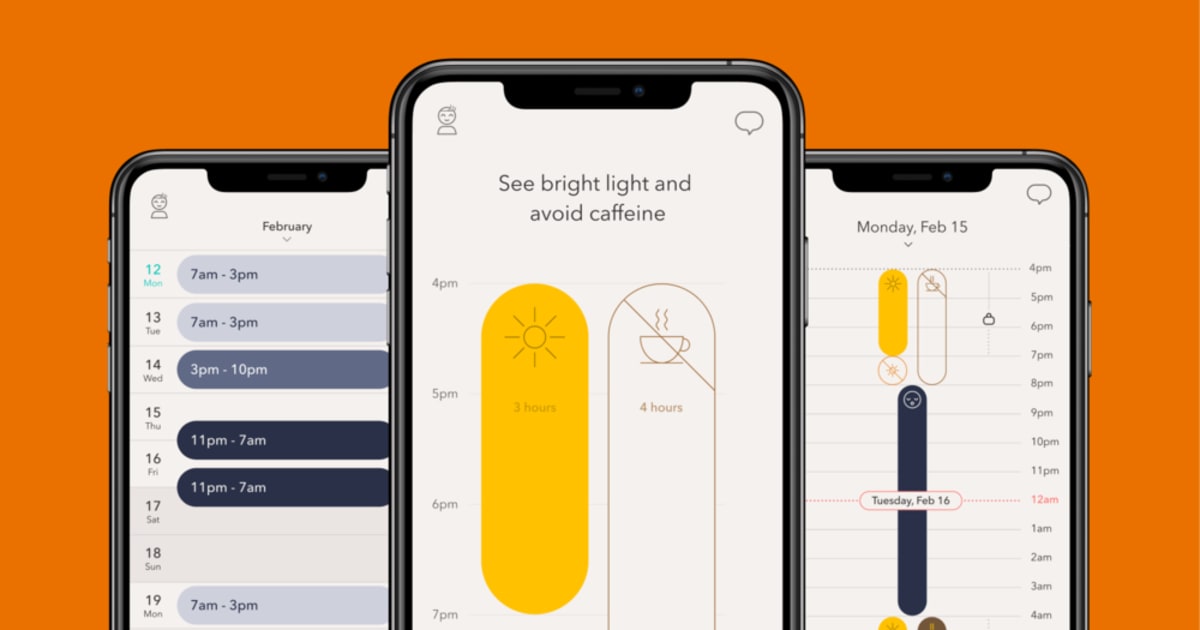
Instead of simply telling you when to sleep, Timeshifter uses information such as your usual sleep schedule, age, chronotype, caffeine and melatonin habits, and flight details to build a schedule around your trip.
The plan can begin several days before departure and tells you when to seek bright light, avoid light, sleep, stay awake and use caffeine. Melatonin can also be incorporated if you choose.
Why light matters
Your circadian rhythm is controlled by a small group of brain cells that acts as your body’s master clock. When you cross several time zones, that clock can become misaligned with the local time.
Sleeping at the wrong time can sometimes make the adjustment harder, while carefully timed light and darkness can help shift your internal clock.
The science behind Timeshifter’s protocols was developed partly through work involving NASA astronauts, and the company says its approach can accelerate the body’s natural adjustment.
But following the schedule perfectly isn’t always realistic. Flights, meals, work and entertainment can interfere. The app allows some flexibility, including using dark glasses when you can’t sleep at the recommended time.
Timeshifter offers the first plan free, followed by $9.99 per trip or $24.99 annually. Some travelers can also receive complimentary access through partnerships with companies including United Airlines and IHG Hotels & Resorts.
The smarter take: For long-haul travel, beating jet lag may be less about sleeping as much as possible and more about getting your light exposure at the right time.