

Free rebooking, cash refunds and a rule change most travelers missed.
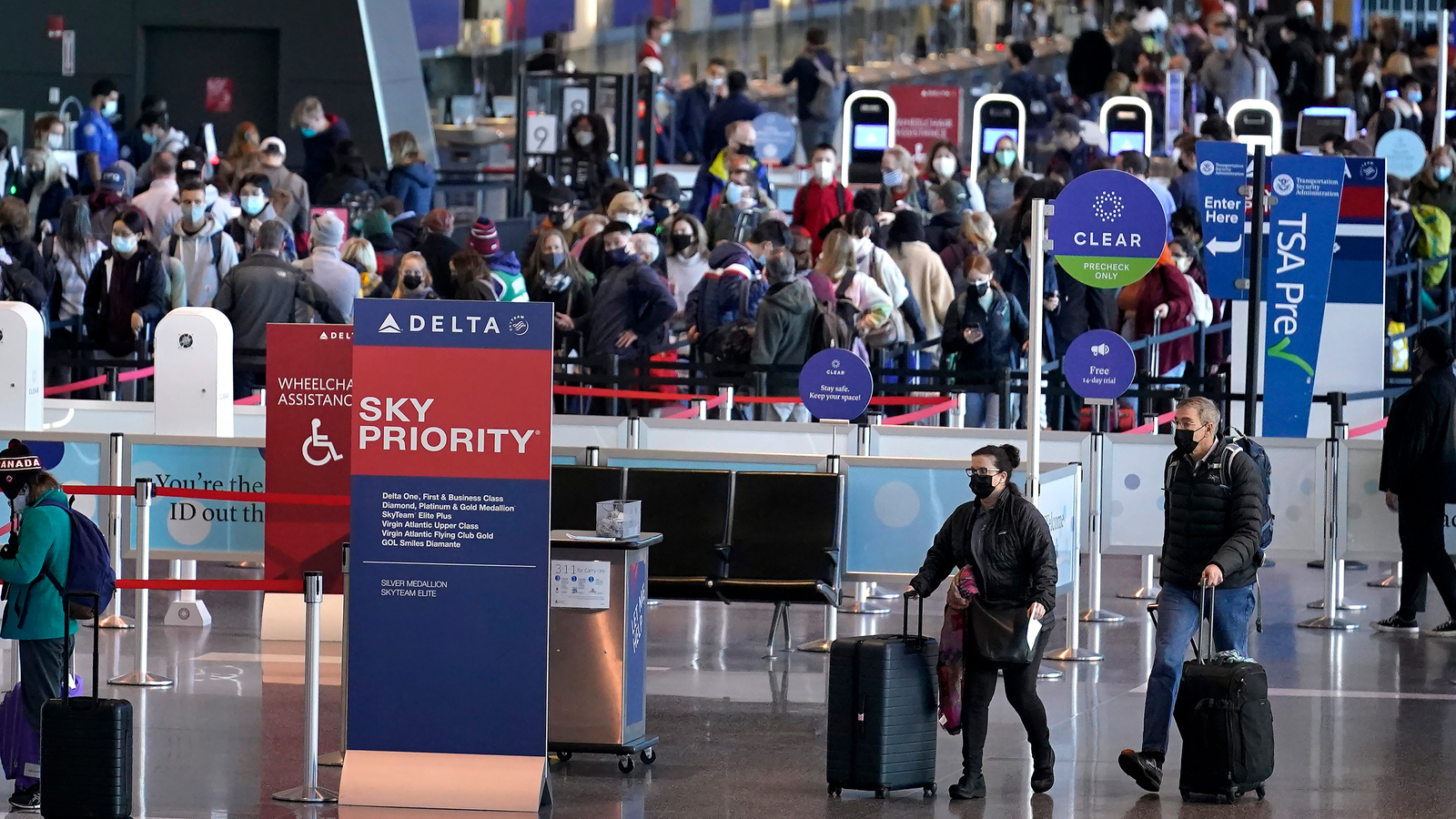
A powerful coastal storm is moving up the East Coast on Thanksgiving Day, bringing heavy rain and strong winds from Washington to Boston. More than 6,000 U.S. flights were already delayed Wednesday, while the winds forced the 100th Macy’s Thanksgiving Day Parade to move to Saturday.
In Miami, a FedEx cargo jet ran off a runway Wednesday night. No one was hurt, but the FAA briefly held Miami-bound flights, adding pressure during one of the busiest travel weeks of the year.
For holiday travelers, understanding the rules can mean the difference between getting a refund and losing money.
1. Travel Waivers Let You Change Flights for Free
Delta, United and American have issued travel waivers for Thanksgiving Day flights at major Northeast airports from Boston to Washington. Delta’s waiver covers tickets purchased by November 24, with changes made and new flights departing by November 28. United and American have their own airport lists and ticketing deadlines. Southwest has also posted a waiver.
Act early. Once cancellations begin, available seats disappear quickly, especially for the Sunday after Thanksgiving, traditionally the busiest day of the holiday period.
2. Canceled Flights Can Mean a Full Cash Refund
Under federal rules, travelers who choose not to fly after a cancellation—or a qualifying significant delay—are entitled to a full refund to their original form of payment.
That includes domestic delays of three hours or more and international delays of six hours or more. Credit card refunds are due within seven business days; other payment methods within 20 calendar days.
The right applies regardless of the cause, including storms, air traffic control problems or mechanical issues. But accepting a rebooked flight or voucher generally means giving up the refund. A flight-number change alone is an exception when the trip still operates without a significant delay.
3. Meals and Hotels Depend on Who Caused the Disruption
Federal law does not require airlines to provide meals or hotel rooms during disruptions. Those benefits depend on each airline’s customer service commitments, available on the Department of Transportation’s airline dashboard.
Generally, they apply when the airline caused the problem—not when weather is responsible.
4. A New Rule Change Is Coming in 2027
A DOT rule will remove ten causes, including unscheduled maintenance, passenger medical emergencies and the removal of an unruly passenger, from the airline-controlled category.
Although reports initially said the change would begin October 19, the DOT delayed implementation until February 1, 2027, following an airline industry request. It will cover flights beginning January 1, 2027.
That means mechanical delays still count as airline-controlled disruptions this Thanksgiving.
5. Delayed Bags and Missing Extras Can Also Be Refunded
A checked bag arriving more than 12 hours late on a domestic flight can qualify for a bag fee refund, provided you file a mishandled baggage report.
The same principle applies to paid Wi-Fi, seat selection and other extras you purchased but the airline failed to provide.
The Smarter Take
The most expensive button in air travel may be “Accept.” Decide whether you want to fly or receive a refund before accepting a voucher or replacement flight. Use waivers early to secure better alternatives, and remember: this Thanksgiving, a mechanical delay is still a reason to politely ask the airline for a meal or hotel.