

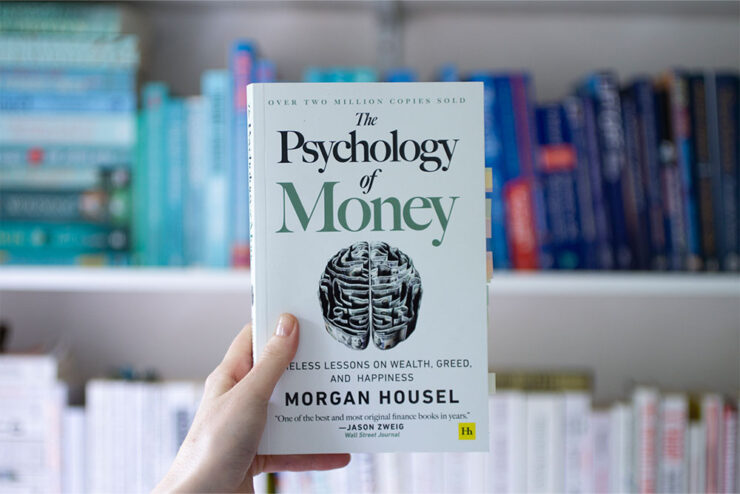
Getting rich and staying rich are two different challenges. In The Psychology of Money, Morgan Housel argues that financial success depends less on intelligence or complicated strategies than on behavior, patience, and how we think about money.
The book explores why people make financial decisions that seem irrational—and how changing a few habits can improve your relationship with wealth. Here are seven of its most valuable lessons.
1. Wealth Is What You Don’t See
An expensive car, designer clothes, and a luxury vacation can make someone look wealthy. But visible spending doesn’t tell you how much money someone actually owns.
Real wealth is the money you haven’t spent. Savings and investments give you options, flexibility, and security that expensive purchases often cannot.
Try this: Before buying something to impress others, ask whether it will improve your life enough to justify the cost.
2. Getting Rich Requires Luck; Staying Rich Requires Discipline
Success isn’t always the result of talent and hard work alone. Timing, circumstances, and luck can influence outcomes, just as bad luck can derail a good plan.
Housel’s lesson is to remain humble when things go well and cautious when they don’t. Don’t assume every success proves you’re brilliant—or every setback means you’ve failed.
Try this: Build financial plans that can survive unexpected expenses, market downturns, and periods of lower income.
3. Compounding Rewards Patience
Investment growth becomes powerful when returns generate additional returns over time. The challenge is allowing that process to continue instead of constantly chasing quick profits.
You don’t necessarily need extraordinary returns to build meaningful wealth. Consistency and time can do much of the work.
Try this: Start investing what you can reasonably afford, keep costs in mind, and avoid abandoning a sensible long-term plan because of short-term market movements.
4. Freedom Is One of Money’s Greatest Benefits
Money can buy comfort, but one of its most valuable uses is giving you control over your time.
Savings can make it easier to leave an unhealthy job, handle an emergency, take a career risk, or spend more time with people you love.
Try this: Define what financial freedom means to you. It might be paying off debt, building an emergency fund, or having enough flexibility to change jobs.
5. Leave Room for Error
Even a well-researched financial decision can go wrong. Unexpected bills, economic changes, and personal circumstances can disrupt the best plans.
Housel emphasizes maintaining a margin of safety rather than assuming everything will work perfectly.
Try this: Keep emergency savings, avoid taking on debt you can barely afford, and don’t invest money you’ll need soon in volatile assets.
6. Know What “Enough” Means
One of the easiest ways to undermine financial success is constantly moving the goalposts. When every achievement creates a desire for something bigger, satisfaction becomes difficult to reach.
Knowing what is enough helps protect you from unnecessary risks and endless comparison.
Try this: Set a personal definition of financial success based on your needs and priorities—not someone else’s lifestyle.
7. Your Financial Plan Must Fit Your Life
Theoretically optimal financial strategies aren’t always practical for real people. A plan you can stick with through uncertainty may serve you better than one that looks perfect on paper but keeps you anxious.
Your family responsibilities, income stability, personality, and goals all matter.
Try this: Choose a financial approach that allows you to sleep at night and remain consistent over time.
The smarter take: Building wealth isn’t just about earning more or finding the perfect investment. It’s about spending intentionally, saving consistently, managing risk, and giving time a chance to work in your favor. The best financial strategy is one that helps you build a life you actually want—not one that simply looks successful from the outside.