

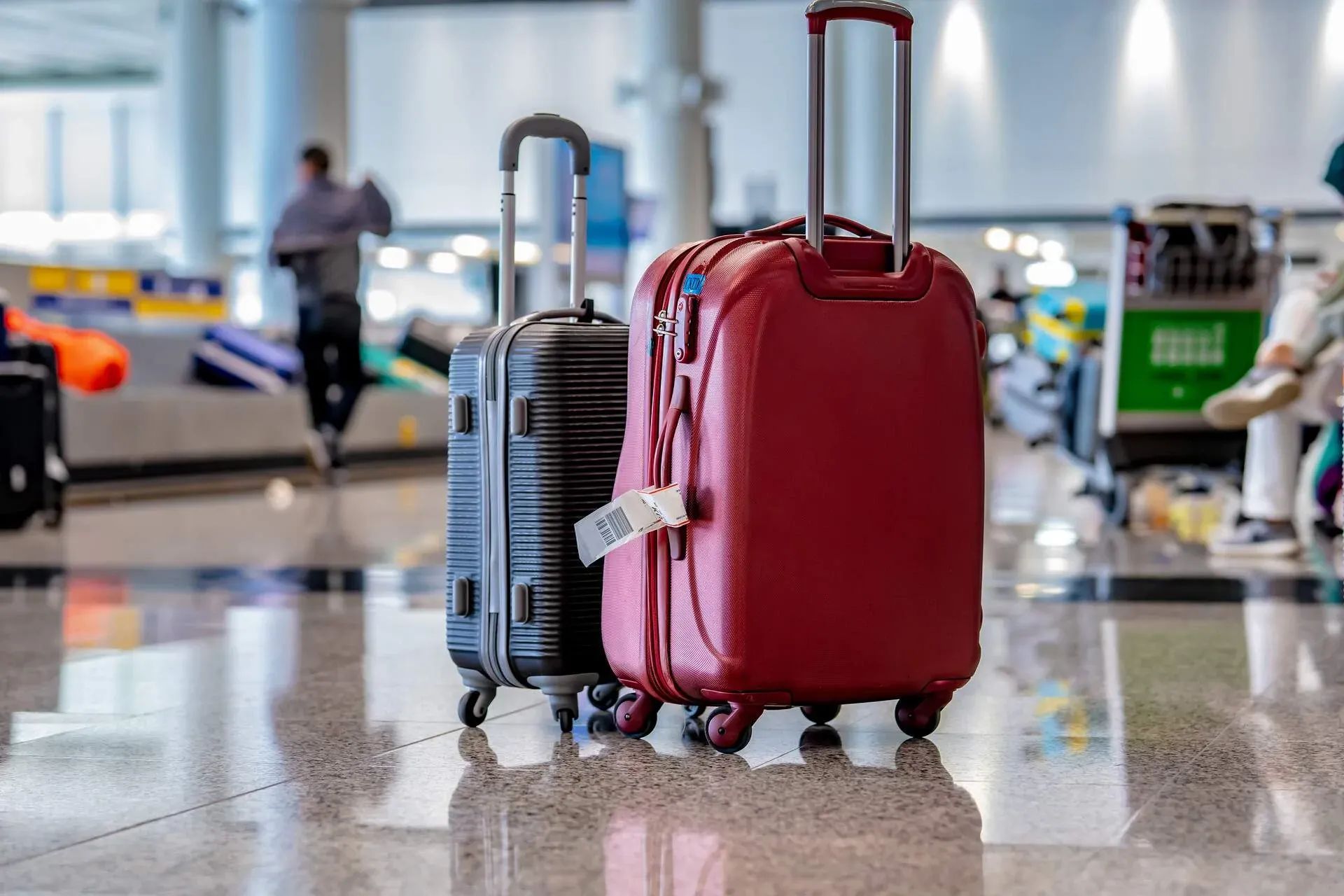
Checked luggage can disappear because of system problems or human error, but a few simple habits can make your bag easier to route, identify and recover.
• Remove old baggage tags. Previous airline tags can confuse automated sorting systems. A tag from an earlier trip could potentially send your bag toward the wrong airline’s baggage area, especially during a connection.
• Make your bag easy to identify. A colorful handle wrap or strap can help your suitcase stand out without creating loose pieces that could get caught in conveyor equipment. Avoid oversized bows, ribbons or other attachments.
• Keep the inside organized. Bags pulled aside for additional screening can take longer to process when items are buried deep inside. Packing cubes and organized compartments can make it easier for screeners to inspect and repack your luggage quickly.
• Put identification inside and outside. A luggage tag helps baggage agents determine who owns a misplaced suitcase and where it needs to go. Adding your contact information inside the bag provides backup if the exterior tag is damaged or removed.
• Track and secure your luggage. A TSA-approved lock can help protect your belongings if another traveler accidentally takes your suitcase. An Apple AirTag can also give you location information through Apple’s Find My network if your bag ends up somewhere unexpected.
The Smarter Take: You can’t eliminate the risk of a checked bag being delayed or misplaced, but you can make your luggage easier to route, easier to identify and easier to recover. Before your next trip, remove old tags, organize the interior, add identification and slip a tracker inside.