

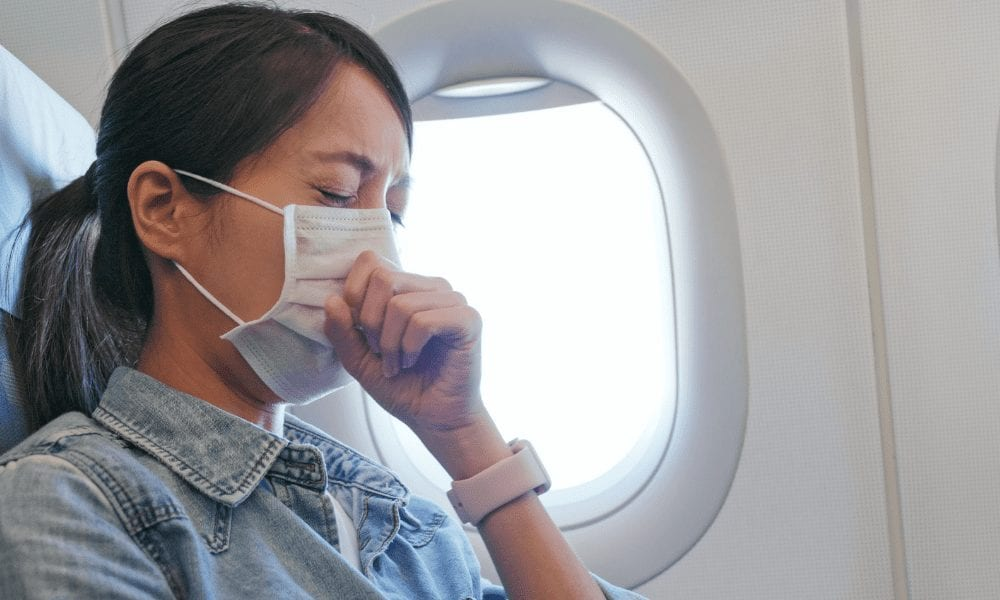
A vacation can lose its appeal quickly when you spend the first few days at your destination feeling sick. With travelers sharing confined spaces, airport terminals, and aircraft cabins, reducing your exposure to respiratory illnesses deserves a place on your preflight checklist.
You can’t eliminate every risk, but a few practical habits can help you travel more comfortably and reduce the chances of spreading or catching an infection.
1. Wear a Mask When It Makes Sense
A well-fitting mask can help reduce exposure to respiratory particles, particularly when flights are crowded or people nearby are coughing. It’s also considerate to wear one if you’re experiencing respiratory symptoms, alongside following current health guidance and considering whether you should travel at all.
2. Clean Your Hands Before Eating
Airport security trays, door handles, restroom surfaces, and shared touchscreens can all transfer germs to your hands.
Wash with soap and water when available. If you can’t reach a sink, use hand sanitizer containing at least 60% alcohol. Clean your hands before eating and avoid touching your eyes, nose, or mouth with unwashed hands.
3. Wipe Down Your Personal Space
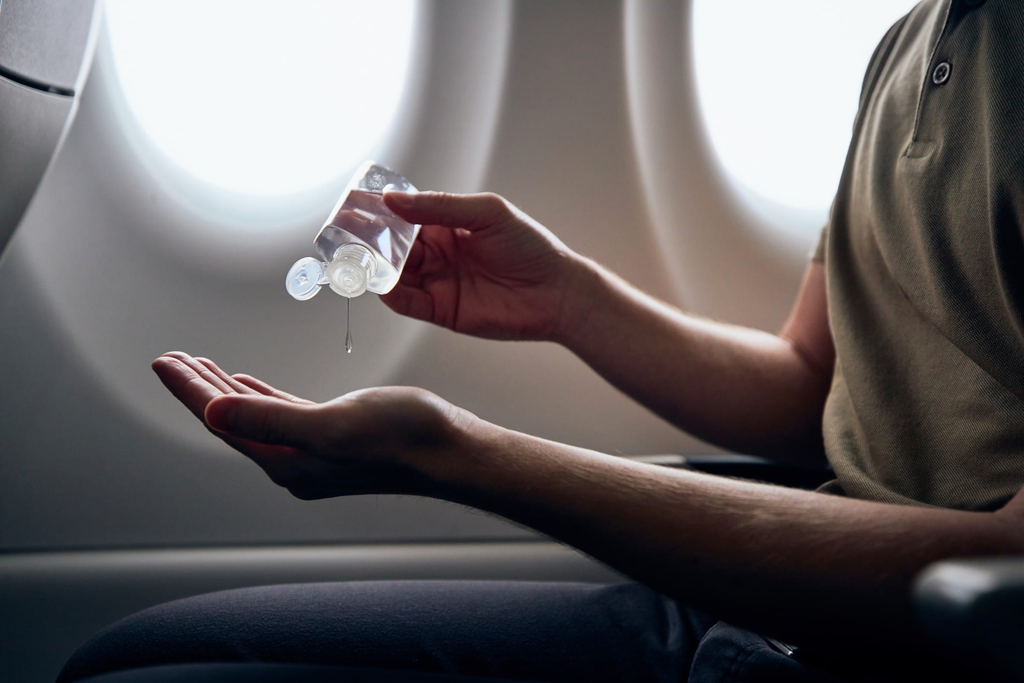
Tray tables, armrests, seat-belt buckles, and entertainment screens are frequently touched by passengers. Consider carrying travel-sized disinfecting wipes and cleaning the surfaces you’ll use, following the product’s directions.
The seatback pocket is another place to think twice about using for personal items. It’s shared by many passengers and may not be cleaned thoroughly between every flight.
4. Consider a Window Seat
A window seat can reduce how often other passengers pass directly beside you compared with an aisle seat. That may help limit some close contacts, although it doesn’t eliminate exposure to airborne respiratory viruses.
Choose your seat based on your comfort, mobility needs, and priorities—not on the assumption that any seat guarantees protection.
5. Use the Overhead Air Vent
Aircraft cabins use ventilation systems, and many commercial aircraft have high-efficiency particulate air (HEPA) filtration. Keeping your individual air vent on and directing airflow downward can help manage the air around your seat.
Ventilation is only one part of the picture, however. It cannot eliminate every risk from an infected passenger nearby.
6. Drink Water and Get Enough Sleep
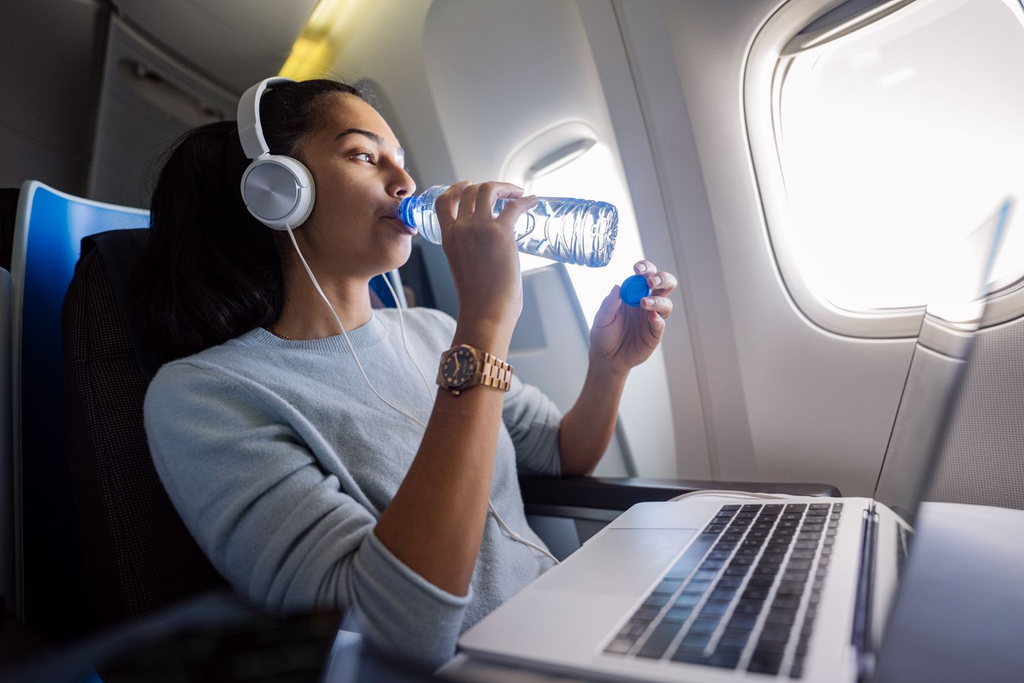
Cabin air is often dry, which can leave your nose and throat feeling uncomfortable. Drink water regularly, especially on longer flights, and limit alcohol if it interferes with your hydration or sleep.
Before departure, prioritize adequate rest and eat regular, balanced meals. These habits support general health, even though they cannot guarantee that you won’t get sick.
7. Prepare Before You Leave Home
Check that your recommended vaccinations are up to date, including seasonal flu and COVID-19 vaccines where appropriate. People eligible for RSV vaccination should follow current medical guidance.
Pack any regular medications, tissues, sanitizer, and a mask in your personal item so they’re easy to reach during the journey.
Be cautious with supplements marketed as immune boosters. Vitamin C, zinc, and other products aren’t guaranteed to prevent illness, and high doses can cause side effects or interact with medications. Ask a healthcare professional if you’re unsure what is appropriate for you.
The smarter take: The most useful travel-health strategy is a combination of prevention and preparation: clean hands, sensible masking, good ventilation, adequate rest, and recommended vaccinations. No single trick makes a flight germ-free, but small precautions can make your next journey a healthier one.