

Economy is still economy, but the experience can vary dramatically once a flight stretches beyond 10 hours.
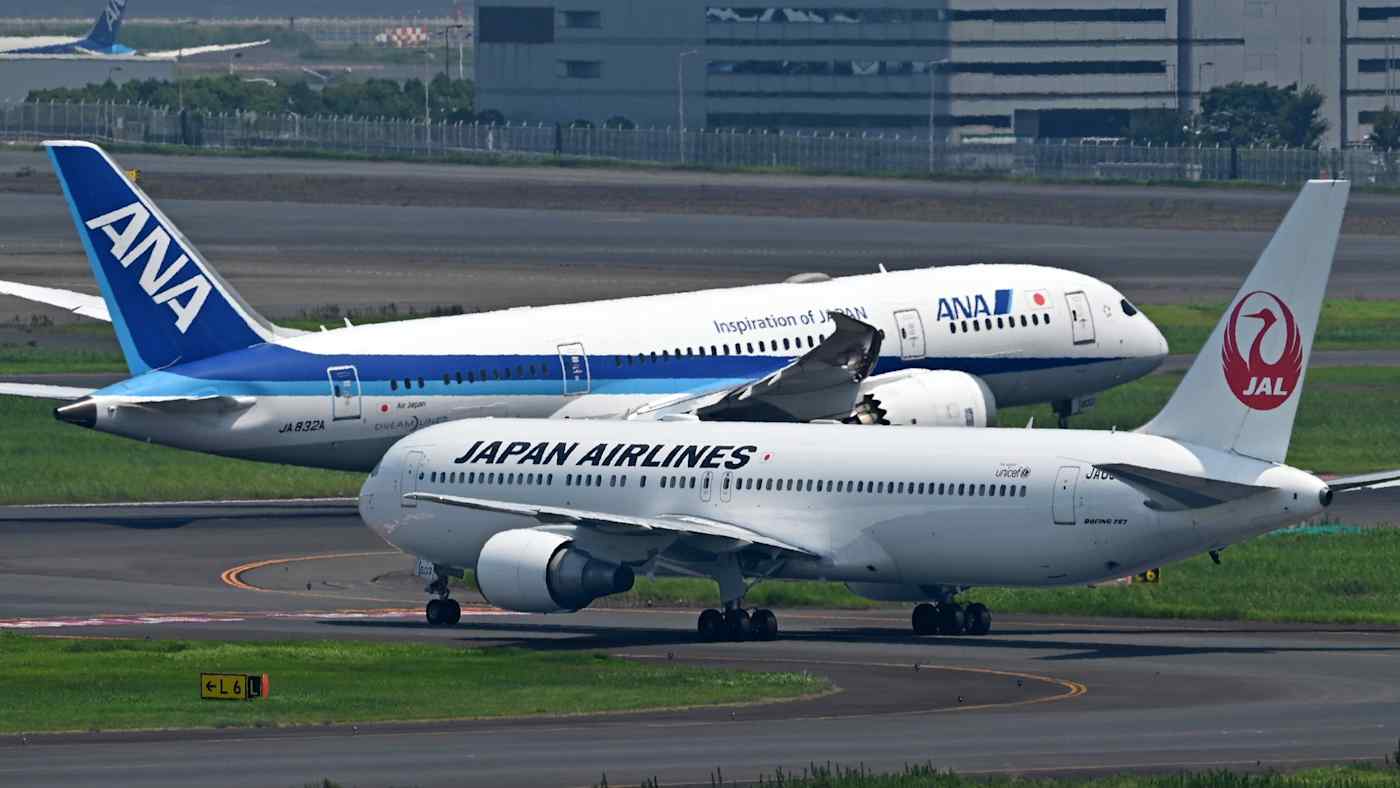
Japan Airlines (JAL) and All Nippon Airways (ANA) have built reputations around making long-haul economy more comfortable, particularly through seat space, cabin design and service.
1. A Few Extra Inches Matter
Many long-haul ANA and JAL aircraft offer around 33 to 34 inches of seat pitch, compared with roughly 30 to 31 inches on many other airlines.
That difference may seem minor on a seat map, but over an 11- to 14-hour transpacific flight, additional legroom can become much more noticeable.
2. The Cabin Experience Is Part of the Difference
Both airlines emphasize a quieter, more organized style of service.
The source connects this partly to omotenashi, a Japanese approach to hospitality centered on anticipating passenger needs. In practice, that can mean orderly meal service, proactive drink service and fewer unnecessary interruptions.
Those details become particularly noticeable on overnight flights.
3. ANA Is Introducing New Economy Seats

ANA plans to introduce new Recaro economy seats on certain Boeing 787-9 aircraft in 2026.
According to the source, the seats are designed to provide improved cushioning, an additional inch of knee space and up to seven inches of recline.
For passengers spending most of a day in the air, those changes target some of economy’s biggest comfort issues.
4. JAL Focuses on Width and Space
JAL’s Sky Wider economy seats emphasize both seat pitch and width.
That can be particularly useful for travelers who find narrow seats uncomfortable. On a long flight, having additional shoulder room can matter just as much as extra legroom.
JAL also operates within the Oneworld alliance, while ANA is part of Star Alliance, which can matter when choosing flights based on loyalty programs.
5. The Better Economy Seat May Cost More

ANA and JAL aren’t always the cheapest options for flights between North America and Japan.
The source gives typical examples of U.S.-Japan round-trip economy fares around $800–$1,400 on U.S. carriers versus roughly $1,100–$1,600 for comparable ANA or JAL itineraries, although prices vary considerably by route and season.
That means the decision isn’t simply about finding the lowest fare. For a 12-hour flight, travelers may decide that paying more for additional space and a different onboard experience fits their priorities.
The smarter take: When comparing long-haul economy fares, don’t look only at the ticket price. Seat pitch, width, aircraft type and loyalty benefits can make a noticeable difference once you’re several hours into the flight.