

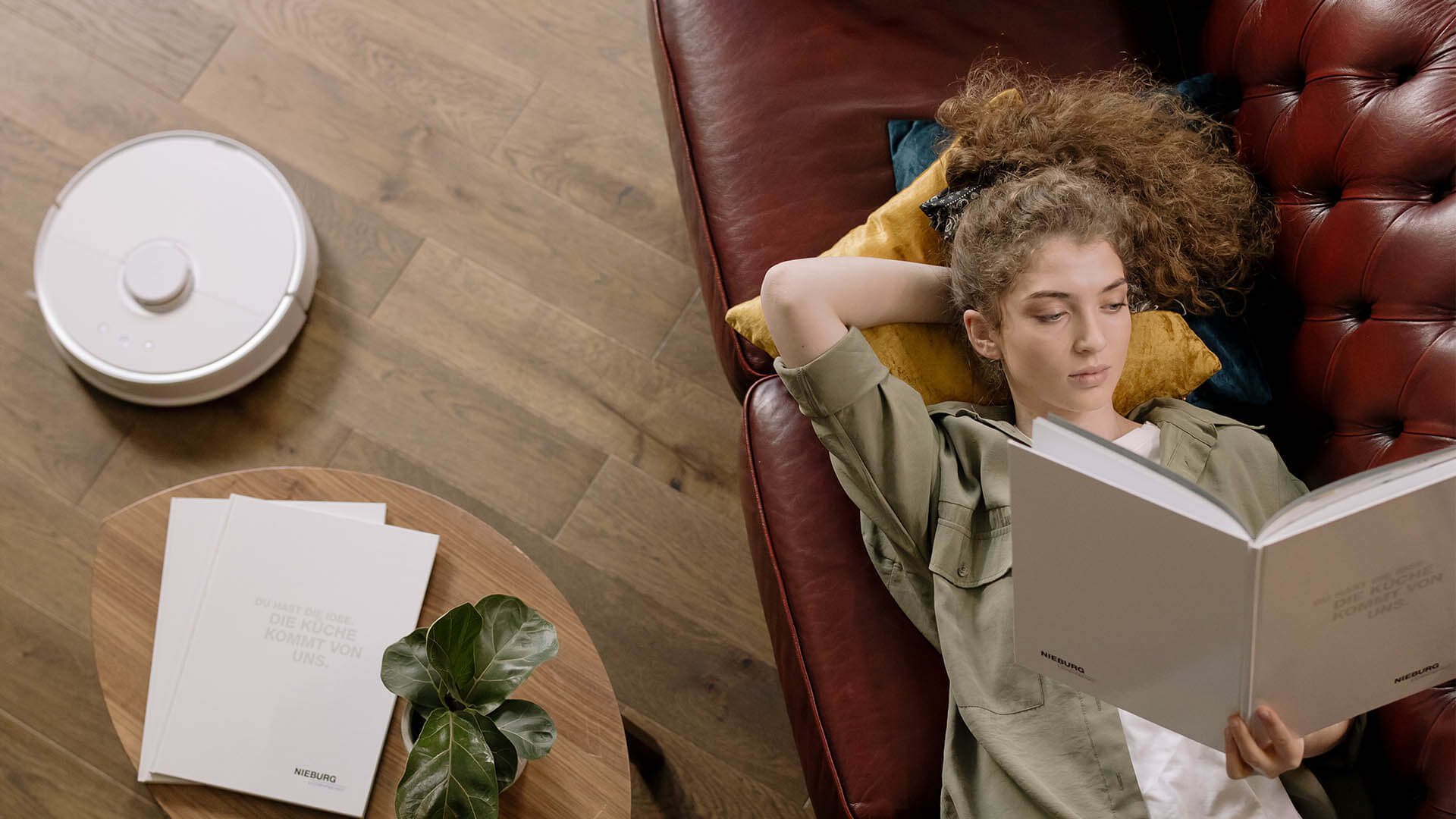
Reading a book for fun may be more than a relaxing way to spend an evening. A new review suggests that regular reading for pleasure is associated with benefits for cognition, stress and overall well-being.
The research points to several potential benefits:
1. It may support brain health
Research involving children found that those who started reading for pleasure earlier had better cognition and attention and fewer reported mental-health symptoms later on. They also spent less time on screens, slept longer and performed better in school.
2. It can help you disconnect from stress
Getting absorbed in a book focuses your attention on the story rather than everyday worries. Researchers compare this effect to mindfulness, because the activity can temporarily pull attention away from rumination.
3. Fiction may strengthen empathy
Stories with rich social content activate areas of the brain involved in understanding other people’s perspectives. Readers also frequently report feeling more connected to others after reading.
4. It may help protect cognitive function later in life
One study in Taiwan followed adults over 64 for 14 years and found that people who read at least once a week had a lower risk of cognitive decline during the study period.
5. You don’t need to read a classic novel
The researchers emphasize that reading is most useful when you’re genuinely interested in what you’re reading. A magazine or book connected to a hobby can be a good place to start.
Audiobooks are less clear. There is not as much research on whether listening produces the same benefits as reading text, particularly because people often listen while doing something else.
The research doesn’t establish that reading itself causes all of these benefits. Many of the findings are associations, and other factors can influence the results.
The smarter take: You don’t need to read for hours. If you enjoy it, regularly setting aside time to get absorbed in a book may be a simple way to support your brain and give your attention a break from screens.