

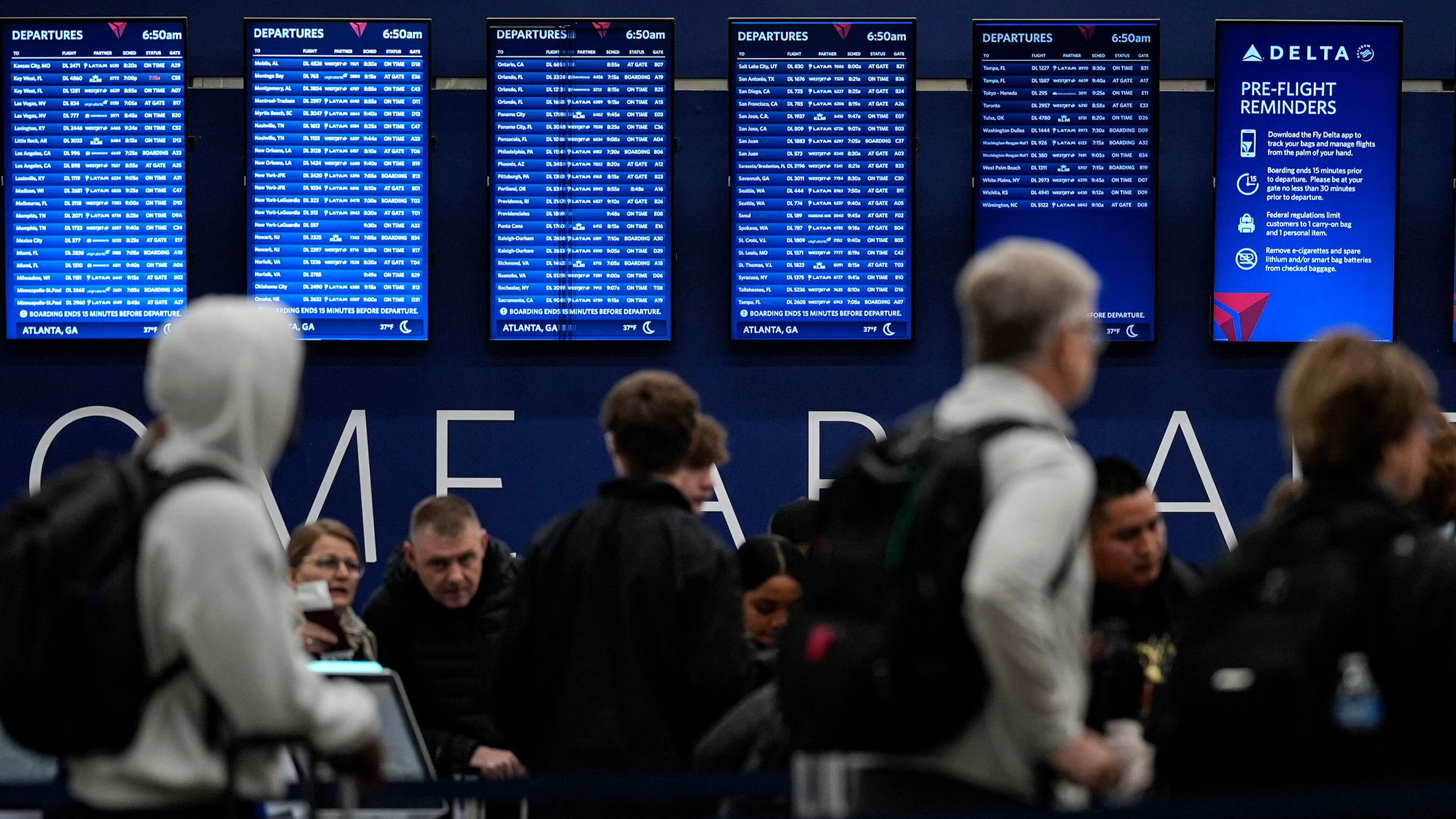
A major air traffic disruption can turn a normal travel day into a mess fast. With roughly 1,000 flights canceled across the U.S. Monday and Newark among the hardest-hit airports, travelers caught in the disruption have several options beyond simply waiting at the airport.
Here are five things to know:
1. Check your airline app before joining the line
Airlines often allow passengers to change or rebook flights directly through their apps. Have your reservation loaded before heading to the airport, especially when phone lines and ticket counters are overwhelmed.
2. Look for a travel waiver
Major airlines may issue flexible travel policies during large-scale disruptions. Depending on your itinerary, a waiver can allow you to change your flight, move your travel date or use another airport in the region.
3. Know when you’re entitled to a refund
If your flight is canceled or significantly delayed and you decide not to travel, federal rules generally require the airline to provide a refund, regardless of why the disruption occurred. That can be useful if you decide to drive, take a train or book another flight.
4. Don’t assume the airline will pay for your hotel
Air traffic control disruptions are generally outside an airline’s control, so airlines typically aren’t required to cover meals or hotels. However, travel insurance through a credit card or separate policy may cover some expenses. Save every receipt and check the specific terms before filing a claim.
5. Consider nearby airports
If your airline allows it under its waiver, check airports within reasonable driving distance. During major disruptions, shifting your departure or arrival airport can sometimes open up options that aren’t available from the original airport.
The smarter take: When widespread cancellations hit, speed matters. Check the app, look for a waiver, understand your refund rights and explore alternative airports before everyone else does.