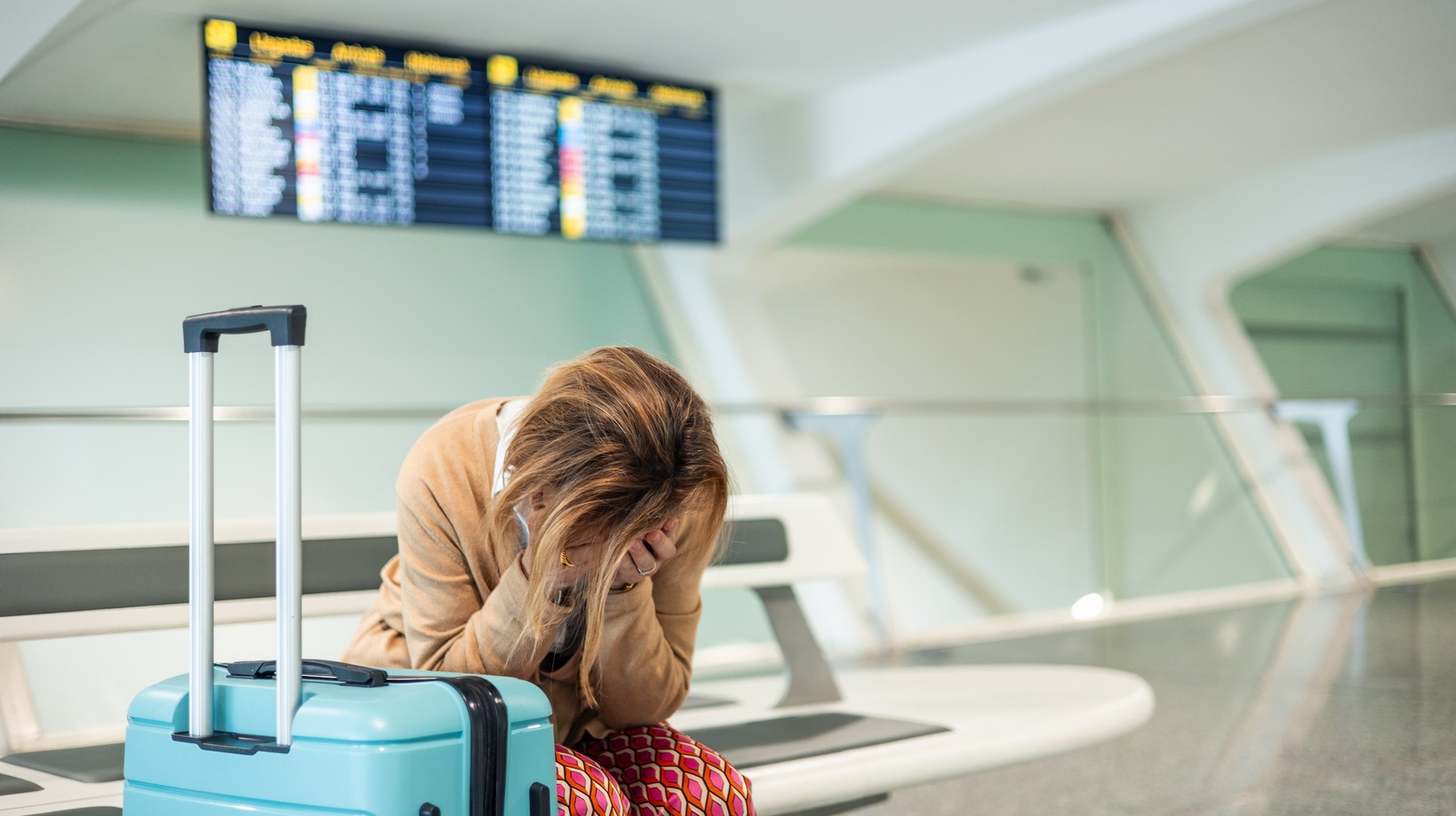
Starting October 19, 2026, a new DOT rule will change how airlines classify certain flight delays and cancellations—and that could affect whether stranded travelers receive extras such as meals, hotels and ground transportation.
The key distinction: the rule changes how certain disruptions are classified, not the federal right to a refund.
What’s changing?
Under the new rule, 10 specific types of disruptions will move out of the DOT’s “Air Carrier” category, which generally covers events within an airline’s control. They’ll instead be reported under a new Section 511(b) category created by the FAA Reauthorization Act of 2024.
The exclusions include certain:
• Aircraft damage from extreme weather, debris or sabotage
• Cybersecurity incidents
• Government-system failures affecting safe operations
• Medical emergencies not caused by the airline
• Unruly-passenger removals
• Certain unscheduled maintenance
• Baggage-system failures outside the airline’s control
• Airport closures caused by volcanic ash, wind or wind shear
• Aircraft cleaning after a passenger death
• Overheated brakes following a safety incident
Why should travelers care?
Many airlines’ customer-service commitments for meals, hotels and transportation apply specifically to controllable disruptions. DOT’s dashboard shows which benefits individual airlines have committed to provide in those situations.
After October 19, some disruptions that were previously reported as carrier-controlled will move into the new category and may no longer qualify for those airline-provided benefits.
Your refund rights are different
A cancellation or qualifying significant change can still trigger a federal refund right regardless of why the disruption happened, provided you choose not to accept the alternative transportation or compensation offered.
The smarter take: When your flight is disrupted, ask two separate questions: What does my airline owe me under its customer-service policy, and am I entitled to a refund under DOT rules? They’re not the same thing.