


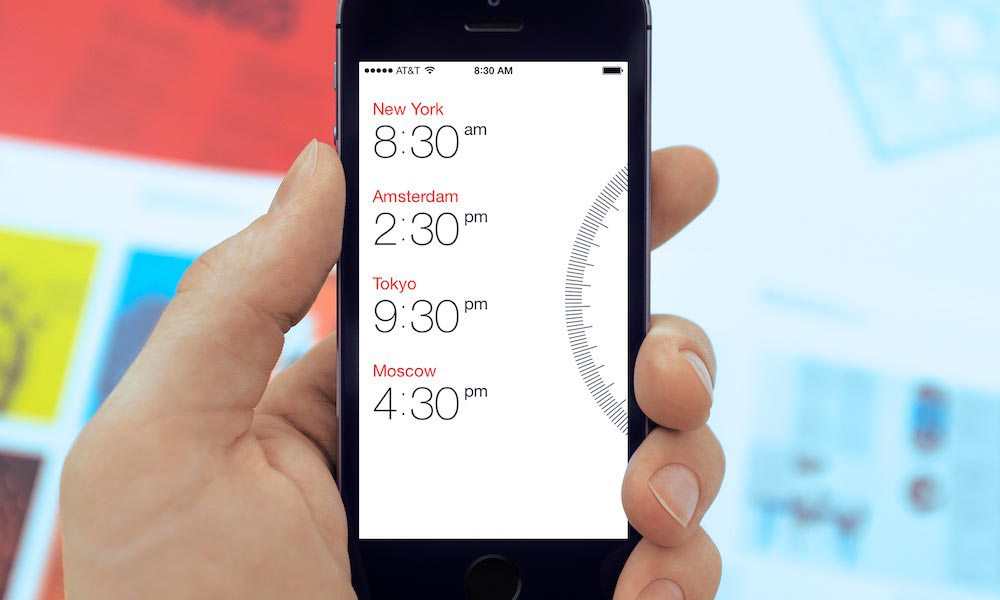
A flight departure, hotel transfer, dinner reservation, or cruise excursion can go wrong because of something travelers rarely think about: the clock.
Crossing time zones is not always as simple as adding or subtracting an hour. Daylight saving schedules vary between countries, some destinations use unusual time offsets, and even hotels and cruise ships can follow a different clock from the surrounding area.
A small misunderstanding can mean a missed connection or arriving an hour late. Before your next trip, watch out for these six situations.
1. Countries Don’t Change Their Clocks Together
The United States and Europe do not switch to daylight saving time on the same dates. In much of Europe, clocks move forward on the last Sunday in March and back on the last Sunday in October. The U.S. follows a different schedule.
Some countries do not observe daylight saving time at all. According to the Pew Research Center figures cited in the source article, roughly two-thirds of the world does not change its clocks seasonally.
Before traveling internationally, check the destination’s clock-change dates rather than assuming the time difference will stay the same throughout your trip.
2. One Country Can Have More Than One Clock Rule
Time confusion can happen without leaving a country.
Most of the United States observes daylight saving time, but Hawaii and most of Arizona do not. Canada and Australia also have regions that follow different clock schedules.
This matters when driving across state or regional borders, catching a connecting flight, or attending an appointment remotely. A route that looks straightforward on a map can involve a change in local time.
3. Your Resort May Use Its Own Time
Some private island resorts in the Maldives operate on what they call “Island Time,” setting their clocks one hour ahead of the country’s official time.
The idea is to give guests more evening daylight. But it can create confusion when coordinating airport transfers, excursions, or outside activities.
Ask your hotel which time it follows and confirm whether transportation operates on resort time or official local time. Never assume your phone’s clock tells the whole story.
4. Not Every Time Zone Is One Hour Apart
Travelers often expect time differences to come in full-hour increments. That isn’t always true.
Newfoundland, Canada, is 30 minutes ahead of Atlantic Time. India and Sri Lanka also use half-hour offsets, while Nepal is 45 minutes ahead of UTC.
These unusual differences can make international calls, virtual meetings, and calendar invitations surprisingly confusing. Check the exact local time before confirming anything important.
5. Your Calendar Can Quietly Change an Appointment
Digital calendars can automatically use the time zone you’re currently visiting when you create an event.
That means an appointment intended for your home time zone could appear at the wrong hour after you return. This is especially easy to miss when scheduling meetings, family events, or reservations while abroad.
When creating an event, check its time zone setting. If the appointment is tied to a specific location, make sure the calendar reflects that location rather than simply accepting the default.
6. Cruise Ship Time Isn’t Always Port Time
Cruise passengers have another clock to keep track of. Ships can cross several time zones during a single sailing, and some may keep ship time unchanged at certain ports to simplify operations.
Your phone might display the local time on shore while the ship follows a different schedule.
Before leaving the vessel, confirm the all-aboard time and the clock the ship is using. Keep an eye on announcements and cabin notices, and consider carrying a reliable watch as a backup.
The Smarter Take
Time zone mistakes are easy to make because travelers naturally trust the clocks on their phones. But automatic updates aren’t a substitute for checking the details.
Before a flight, excursion, hotel transfer, or important appointment, confirm the local time, the time zone being used, and whether daylight saving applies. A few seconds of checking can prevent hours of unnecessary stress.