


The price of an airline ticket isn’t always the price you end up paying. On Delta Air Lines, checked baggage can add a significant amount to your trip, particularly if you’re traveling with family or carrying more than one suitcase.
The good news: you may be able to avoid baggage fees without packing everything into a tiny backpack. The key is knowing which benefits you already have before you pay for your luggage.
1. Check whether your first bag is free
For many domestic Delta flights, passengers without an applicable baggage benefit pay $45 for their first checked bag and $55 for their second, according to the fee schedule in the source material.
For a round trip, checking one bag in both directions could add $90 per person. Two checked bags each way could cost considerably more.
International routes have different rules, so check your specific itinerary before booking.
2. See whether your credit card includes a free bag
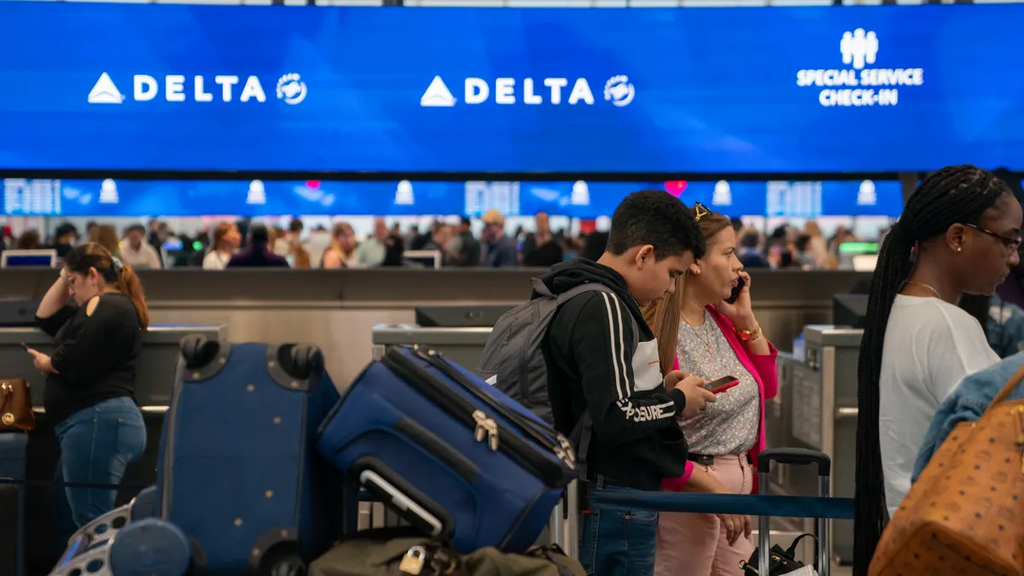
Certain eligible Delta SkyMiles American Express cards provide a first-checked-bag benefit on qualifying Delta flights.
If you already carry an eligible card, this can be an easy way to save without changing your travel habits. Check the card’s terms, reservation requirements, and eligibility rules before departure.
Don’t open a new credit card solely to avoid a baggage fee without comparing its annual fee and other costs against the savings you expect.
3. Use airline status if you already have it
Delta SkyMiles Medallion members can receive additional baggage allowances.
Depending on status, itinerary, and cabin, eligible travelers may receive one or more checked bags without charge. Some benefits can extend to companions on the same qualifying reservation.
If you travel with family, check the rules carefully. A benefit that covers multiple passengers can make a meaningful difference to the total trip cost.
4. Compare the full cost of different fares
Premium cabins such as First Class, Delta One, and Premium Select generally include checked-bag allowances that differ from those in Basic Economy and Main Cabin.
That doesn’t automatically make an upgrade worthwhile. Compare the price difference with the baggage fees you’d otherwise pay, alongside the additional comfort and flexibility.
Sometimes paying for an upgrade makes sense; other times, paying for the bag separately is cheaper.
5. Avoid surprise charges at the airport
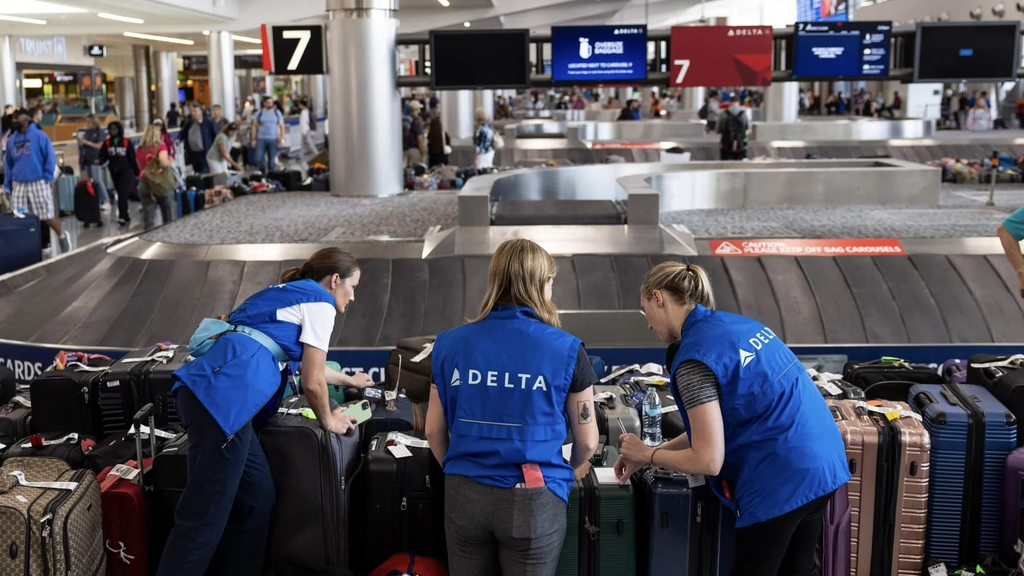
Delta generally allows passengers one carry-on and one personal item at no additional charge, subject to applicable restrictions. Your personal item must fit under the seat, and carry-on size limits apply.
Before leaving home:
- Measure your bag, including wheels and handles.
- Weigh checked luggage to avoid overweight charges.
- Check whether your aircraft has special carry-on restrictions.
- Review fees for oversized, extra, or special-item baggage.
Traveling with children? Certain items, including strollers and child safety seats, may qualify for complimentary checking under Delta’s rules.
6. Consider using miles or travel credits
Eligible SkyMiles members may be able to redeem miles for standard checked-bag fees on qualifying itineraries. Some travel rewards cards also offer credits that can offset eligible airline expenses.
Before redeeming miles, compare their potential value with the cash fee. A redemption isn’t automatically a good deal just because it avoids paying out of pocket.
The smarter take: Check your baggage allowance before you book, not at the airport counter. A few minutes reviewing your card benefits, ticket rules, and luggage dimensions could prevent unnecessary charges—and help you keep more money for the trip itself.