



Your home should be a place where you can relax, recharge, and escape the demands of the day. But clutter, harsh lighting, constant notifications, and an uncomfortable bedroom can make it harder to unwind.
You don’t need an expensive renovation to create a more peaceful environment. A few thoughtful changes to your surroundings may help make your home feel more comfortable and relaxing.
1. Bring Nature Indoors
Add a few indoor plants to your living room, bedroom, or workspace. Greenery can make a room feel more inviting and help create a stronger connection with nature.
Start with easy-care plants that suit the light in your home.
2. Introduce Calming Scents
Lavender is commonly used in relaxation routines, and its scent may help some people feel calmer. Try fresh lavender, dried flowers, or a lightly scented diffuser if you enjoy the fragrance.
Keep scents subtle, particularly if anyone in your household is sensitive to fragrances.
3. Choose Colors That Help You Unwind
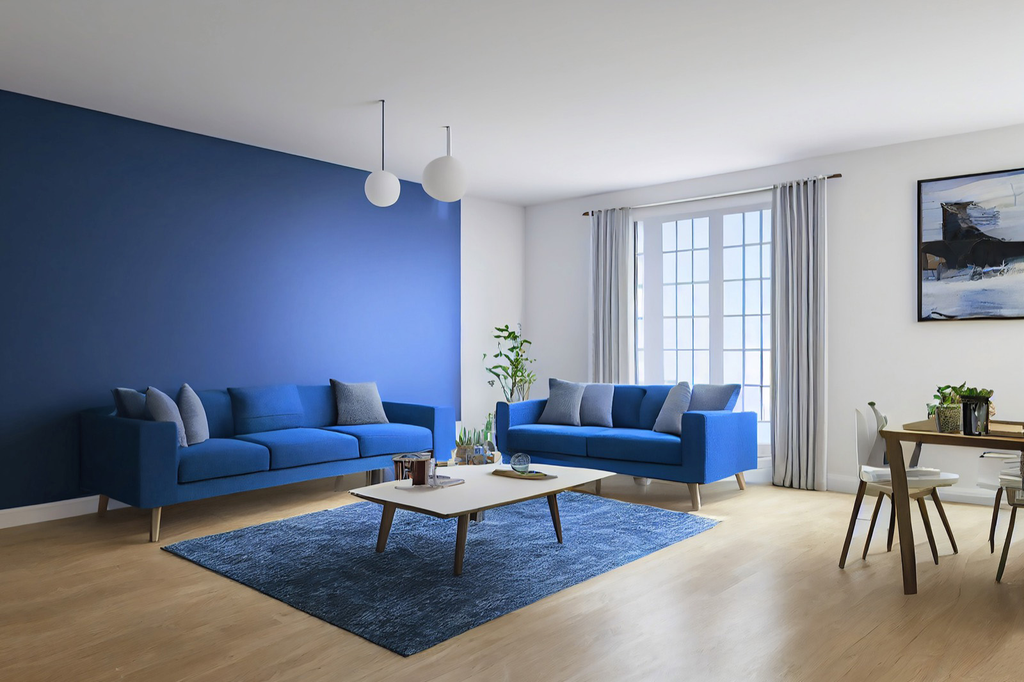
Your surroundings influence how a room feels. If you want a restful atmosphere, consider soft blues, muted greens, warm neutrals, and other colors you personally find soothing.
You don’t need to repaint every wall. Bedding, cushions, artwork, and small accessories can make a difference to the overall look.
4. Simplify Busy Patterns
Too many competing patterns and decorations can make a room feel visually crowded. If your space feels overwhelming, try simplifying one area with fewer accessories, cleaner lines, and a more consistent color palette.
The goal isn’t to eliminate personality—it’s to create visual balance.
5. Add Soft Textures

Comfortable blankets, cushions, rugs, and soft bedding can make your home feel more welcoming. Choose textures that feel good to you and use them to create a comfortable place to read, rest, or relax.
6. Let in Natural Light
Open curtains and blinds during the day to make use of available daylight. Position a chair near a window or create a small spot where you can enjoy a morning coffee.
Natural light also helps support your body’s sleep-wake rhythm. In the evening, softer lighting can help signal that it’s time to wind down.
7. Give Everything a Place
Clutter can make everyday tasks feel more demanding. Rather than trying to organize your entire home in one day, start with a single surface, drawer, or room.
Use baskets, shelves, and storage containers to keep frequently used items accessible without leaving everything in view.
“Studies show that living in a cluttered environment
can increase the stress hormone cortisol.”
8. Create a Phone-Free Zone
Choose one area of your home where you regularly disconnect from screens, such as your bedroom or dining table. Charge your phone away from your bed and consider keeping televisions and laptops out of your sleeping space.
Even a short break from notifications can create more room for rest, conversation, and quiet time.
9. Make Your Bedroom a Sleep Sanctuary
A comfortable mattress, clean bedding, a cool room, and minimal nighttime distractions can help create better conditions for sleep.
Keep your bedtime routine simple and consistent. Dim the lights, put away work, and give yourself time to relax before going to bed.
The smarter take: Don’t try to transform your entire home at once. Choose one small change—clear a cluttered surface, open the curtains, or make your bedroom more comfortable—and build from there. A calmer home doesn’t have to be perfect or expensive; it should simply work better for the way you live.